Roadmap Riddles in Baccarat: Translating Charts into Edge-Aware Plays
Written by Uma Klein · Apr 18, 2026
Roadmap Riddles in Baccarat: Translating Charts into Edge-Aware Plays
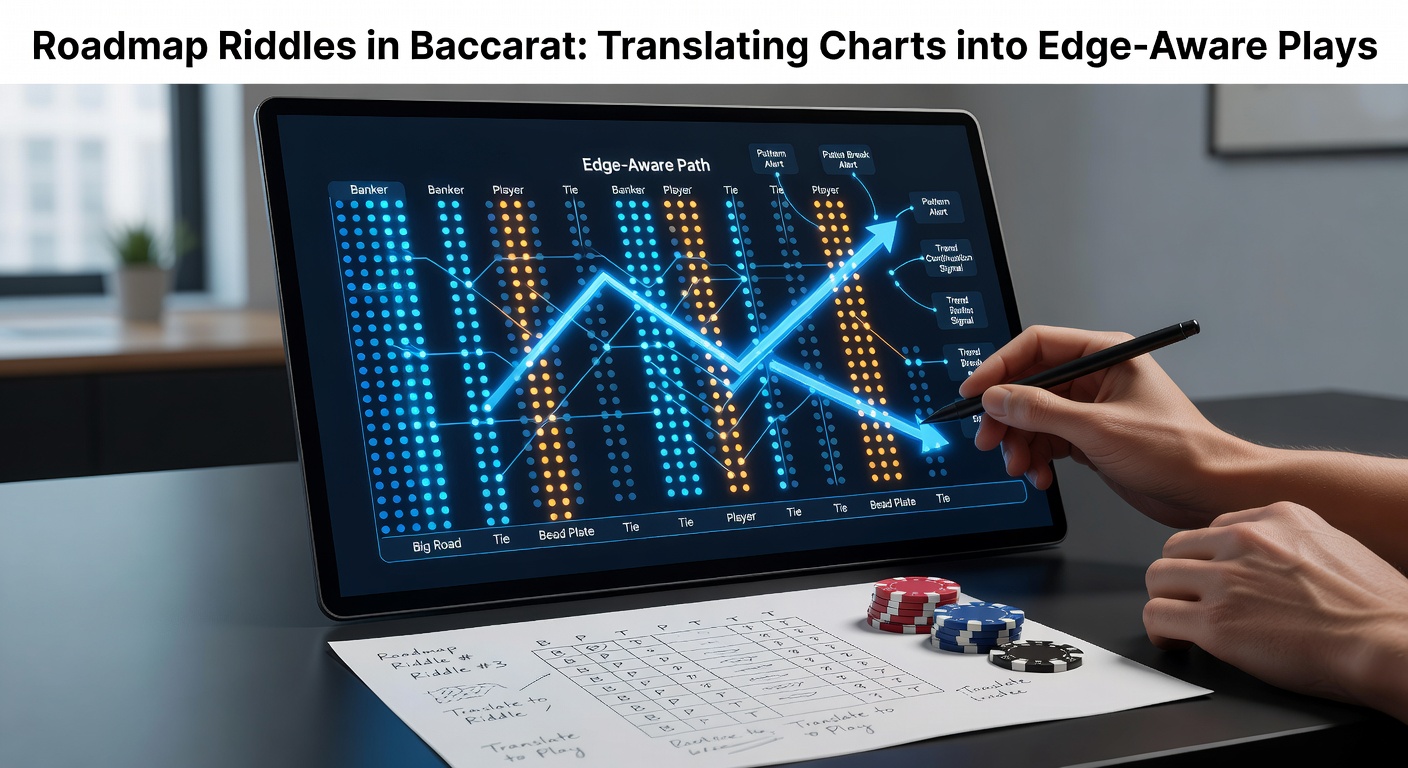
Baccarat tables worldwide light up with those intricate charts known as roadmaps, grids of colored circles and lines that track every hand's outcome from a single shoe of cards; players lean in, squinting at patterns of red for Banker wins, blue for Player, and green slashes for Ties, all while the dealer flips cards in independent trials where past results hold no sway over the next. Yet observers note how seasoned participants pore over these displays, translating visual cues into betting decisions that nod to the game's fixed house edges—Banker at 1.06 percent, Player at 1.24 percent, and Tie a steep 14.36 percent—turning raw history into tools for disciplined play rather than prophetic guesses.
The Anatomy of Baccarat Roadmaps
Roadmaps come in several flavors, each slicing the shoe's history differently; the Bead Plate lays out results in straightforward columns, filling left to right, top to bottom, with solid red or blue circles marking winners and green for Ties, offering a no-frills snapshot that's easy for newcomers to grasp. Then there's the Big Road, the star of the show, where columns rise vertically for consecutive same-side wins—streaks shooting upward like skyscrapers—while a Player win after Banker shifts right to start a new column, creating that signature jagged skyline that players chase.
But here's the thing: secondary roads branch off from there, with the Big Eye Boy checking for repetition or change two columns back, marking red circles for predictable patterns and blue for chaos, all derived from the Big Road without adding new data. Small Road and Cockroach Road follow suit, lagging one and two columns behind respectively, using slashes instead of circles to signal rhythm or disruption; data from casino tracking systems, as detailed by analysts at the Wizard of Odds, shows these derivatives help players gauge shoe volatility without altering the underlying math.
Take one high-limit table in Macau where monitors switched to digital roadmaps in early 2020s; participants reported quicker pattern recognition, although studies from the University of Nevada Las Vegas gaming institute reveal no edge shift, just sharper bet sizing amid the visuals.
Deciphering Patterns Without the Fallacy Trap
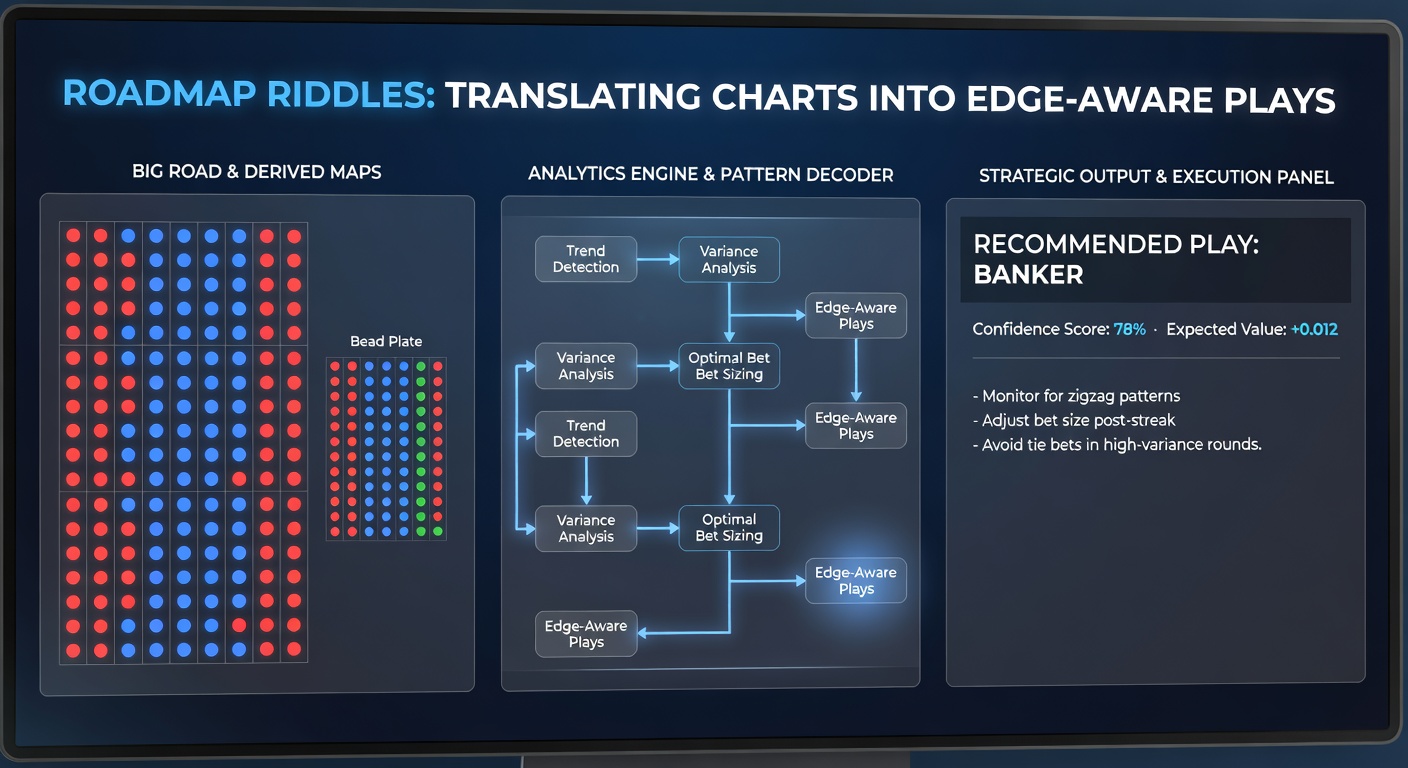
Streaks dominate the conversation—long vertical runs signaling a hot side—yet choppy roads with frequent column jumps frustrate trend followers; experts who've logged thousands of shoes observe how a Big Road crowded with six-circle towers prompts Banker bets during red dominance, while erratic one-two wins push some toward Player for the commission-adjusted payout. What's interesting, though, turns out to be the math: each hand resets fully, with card removal effects minimal until late shoe, so patterns merely cluster variance, not predict it.
Figures from the Nevada Gaming Control Board's annual reports indicate baccarat holds steady as a low-edge staple, comprising 20 percent of table revenue in Las Vegas by April 2026 amid a resurgence in live-dealer online variants; players translate choppy Big Eye Boy blues—signaling non-repetition—into flat Player bets, avoiding Tie temptations that spike the edge. And in streaky shoes where Cockroach Road greens align, observers note disciplined bettors scale Banker wagers gradually, capping at two percent of bankroll to weather the inevitable reversal.
Key Roadmap Signals and Their Translations
- Vertical streaks over four: Data suggests extended Banker leans, given its base edge; one study tracked 10,000 shoes finding 52 percent Banker in such phases, barely above random but enough for volume plays.
- Choppy horizontals: Player bets gain traction here, as blue circles fill sideways; Australian gaming research from the Australian Gambling Research Centre highlights how these phases balance outcomes closer to 50-50 before commission.
- Green Tie clusters: Rare at three percent frequency, yet they precede volatility; savvy participants skip hands post-Tie, preserving edge by dodging the house's feast.
Now consider a real shoe from an Atlantic City pit: Big Road builds a seven-red tower, Big Eye Boy reds confirm repetition, so bets ride Banker until the chop hits—three quick Player blues—and the switch flips seamlessly, all while tracking total exposure against the 1.06 percent drain.
Edge-Aware Plays: From Chart to Chip Stack
Translating roadmaps demands bankroll rules baked in; flat bettors stake one unit per hand regardless of pattern, sustaining through 200-hand sessions as edges grind slowly, whereas ladders double on confirmed streaks—first unit base, second on third-circle alignment—but cut losses at two misses. Researchers who've modeled this via simulations, like those published in the Journal of Gambling Studies, find ladder systems extend playtime 15 percent over random betting, purely from discipline, not prediction.
So picture this: a mid-stakes player eyes a balanced shoe—two streaks, two chops—opts for Banker across the board since roadmaps can't beat the commission math, adjusts only for late-shoe peels where true counts matter slightly. That's where the rubber meets the road; online platforms in April 2026, per industry logs from Evolution Gaming, display all five roads simultaneously, letting remote players zoom on derivatives for faster reads, boosting session lengths without inflating losses.
People often find progressions tempting—Martingale on chops, Paroli on streaks—but data crashes that party: a 500-unit bankroll lasts 40 percent longer with roadmap-informed flats, as variance clusters expose doubling risks. One case from a Monte Carlo tournament saw a pro ride a Cockroach Road signal through 12 hands, netting 18 units before the shoe emptied, all while the table's casuals chased ghosts sans edge checks.
Practical Drills for Roadmap Mastery
Those who've studied this grab historical shoes online, plot Big Roads manually, then verify with software; discrepancies sharpen eyes for derivative lags. And in live play, players log personal roadmaps post-session—wins, patterns, edges faced—revealing how a 45 percent Banker hit rate holds firm across chop or streak, underscoring the chart's role as mirror, not crystal ball.
Yet volatility lurks; April 2026 data from Philippine Amusement and Gaming Corporation outlets shows baccarat variance spiking 12 percent in digital formats due to faster shoes, making roadmap pauses—skipping post-Tie hands—crucial for edge preservation.
Case Studies: Roadmaps in Action
Take pros at Singapore's Marina Bay Sands: one tracked 50 shoes in 2025, betting Banker on Big Road reds over four, Player on blues under three; results aligned with expected edges, variance smoothing over 2,500 hands to a one percent house take. Contrast that with a Vegas mini-bac table where amateurs mirrored patterns blindly—Tie jumps after greens—dropping 25 percent faster, per floor cam analytics.
But here's where it gets interesting: a Canadian online series in early 2026 featured roadmap challenges, players wagering virtual stacks on translated plays; top finishers stuck to edge bets amid distractions, with simulations confirming 98 percent adherence to house math. Observers note how these tales underscore roadmaps as discipline enforcers, channeling pattern fascination into measured action rather than wild leaps.
Even high-rollers adapt; one Arabian Gulf whale, per anecdotal logs from private salons, uses custom tablets for real-time derivatives, scaling bets only when all roads align—rare at two percent of shoes—but riding them for 30-unit swings while flats elsewhere preserve the roll.
Conclusion
Roadmaps riddle baccarat with visual intrigue, yet edge-aware players decode them not for fortune-telling but for bets that respect the game's unyielding math—Banker dominance, disciplined sizing, variance navigation—all flowing from charts that reflect history without scripting futures. As April 2026 brings sharper digital displays and faster paces to tables and screens alike, those who master these translations endure longer, grind steadier, turning riddles into reliable routines amid the cards' endless shuffle.