Decoding Behavioral Cues That Distinguish Recreational Players from Professional Gamblers in Live Settings
Written by Zara Lorenz · Aug 20, 2026
Decoding Behavioral Cues That Distinguish Recreational Players from Professional Gamblers in Live Settings
Live gambling environments reveal distinct patterns in how participants approach tables, manage chips, and interact with dealers and opponents, and researchers have documented several measurable differences between those who play for leisure and those who treat the activity as a profession. Observers note that recreational players often display spontaneous reactions while professionals maintain consistent pacing regardless of recent outcomes, and data from multiple studies confirm these distinctions appear across poker rooms, blackjack pits, and sports books in major gaming jurisdictions.
Betting Patterns and Timing Decisions
Professionals structure wagers around predefined bankroll percentages and session goals, whereas recreational participants adjust stakes based on immediate emotional states or table momentum, and figures from the University of Nevada's gaming research division show that consistent bet sizing correlates with longer survival rates at the tables. Recreational players frequently chase losses with larger bets after short downturns, while those who earn a living wait for favorable conditions before increasing exposure. This measured approach extends to timing as well, since experts often take deliberate pauses before committing chips, allowing them to process new information without rushing.
Physical Composure and Nonverbal Signals
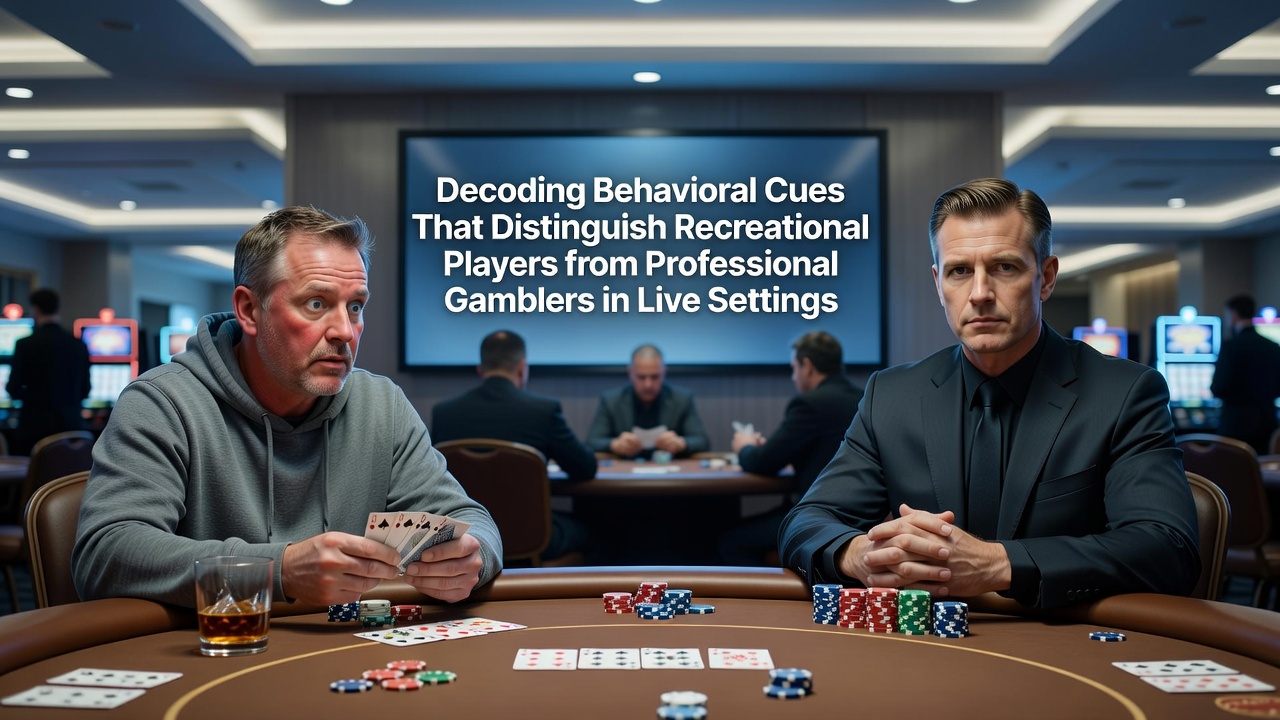
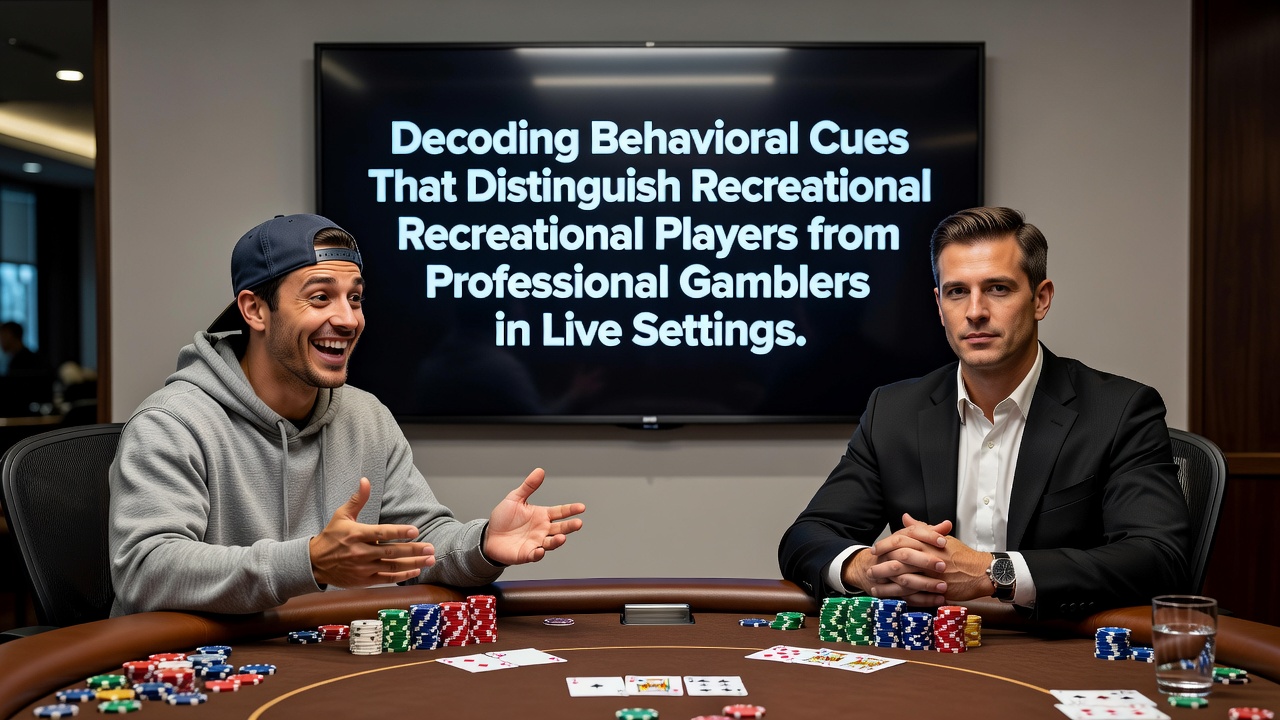
Body language provides another clear separator because professionals keep movements minimal and controlled even after significant wins or losses, whereas recreational gamblers lean forward during winning streaks or slump visibly when cards turn against them. Studies conducted in Australian casinos found that amateurs touch their faces or shift posture more frequently under pressure, and these micro-movements become noticeable to experienced dealers and floor staff over extended periods. Professionals also avoid unnecessary conversation that might reveal hand strength or emotional state, keeping interactions limited to required game actions.
Session Management and Record Keeping
Time spent at any single table or machine further separates the two groups since professionals set strict limits on duration and walk away once those limits are reached, while recreational players extend sessions when they feel lucky or attempt to recover earlier deficits. Data compiled by the Canadian Centre on Substance Use and Addiction indicates that structured breaks reduce overall exposure risk and help maintain decision quality across multiple hours. Professionals also track results methodically between sessions using notebooks or digital tools, creating records that recreational participants rarely maintain with the same detail.
Interaction with Staff and Environment
Engagement with dealers, pit bosses, and other players follows different norms as well, and professionals treat staff with consistent courtesy without seeking special treatment or discussing past results. Recreational players sometimes form quick alliances or share opinions about recent hands, actions that professionals avoid because such exchanges can unintentionally convey strategic information. In larger venues during peak summer months including August 2026, floor observers have noted that professionals move between tables with purpose while recreational visitors linger and sample multiple games without clear criteria.
Bankroll Allocation and Risk Thresholds
Financial discipline appears in how each group handles chips and credit, since professionals arrive with predetermined session amounts and never exceed those figures regardless of table conditions. Recreational participants often dip into secondary funds or request additional markers when initial stacks diminish, and regulatory reports from the Nevada Gaming Control Board document higher rates of credit requests among non-professional segments. This difference in risk tolerance extends to game selection, where professionals gravitate toward variants with known edges or skill components and recreational players sample popular titles based on atmosphere or recommendations.
Conclusion
These observable behaviors collectively allow experienced personnel to identify professional gamblers through consistent patterns rather than isolated actions, and training programs at major properties now incorporate recognition of these cues to support responsible gaming initiatives. Data from academic and regulatory sources across North America and Australia continue to refine understanding of how decision frameworks, physical control, and session discipline separate sustained professional activity from recreational participation in live settings.