Cross-Platform Bankroll Allocation for Managing Variance in Live Events
Written by Felix Foster · Jun 15, 2026

Cross-Platform Bankroll Allocation for Managing Variance in Live Events
Live events such as poker tournaments, sports competitions, and casino gatherings present unique challenges for participants who must handle swings in outcomes while moving funds between physical venues and digital platforms. Data from industry reports indicate that variance remains a core factor in these settings, where results fluctuate based on skill levels, opponent behaviors, and external conditions like weather or scheduling changes. Observers note that effective allocation across platforms helps stabilize overall positions during extended sessions that often span multiple days or locations.
Understanding Variance Patterns in Live Settings
Variance manifests differently in live events compared to online-only formats because participants encounter real-time adjustments in rules, table dynamics, and payout structures. Research from the University of Nevada's gaming studies department shows that live poker events produce higher short-term swings due to smaller sample sizes of hands played per hour, whereas sports betting at venues introduces additional layers through in-play adjustments and line movements. Those who track historical data across platforms discover that combining live and remote access points reduces isolated exposure to any single variance source.
Figures from the American Gaming Association reveal steady participation growth in multi-venue events through 2025, with projections extending into June 2026 as hybrid formats gain traction. Experts point out that bankroll segmentation across these channels allows for targeted reserves, where one portion covers high-variance live tables while another supports steadier online terminals. This approach stems from basic probability models that separate expected value calculations from random outcome clusters.
Core Allocation Methods Across Platforms
Allocation begins with identifying platform-specific risk profiles before dividing available funds. Participants typically assign percentages based on historical performance metrics rather than fixed rules, adjusting for event duration and entry requirements. Studies indicate that maintaining separate ledgers for each access point prevents cross-contamination of results, which in turn clarifies performance trends over time.
One method involves setting aside dedicated pools for live poker, sports books, and casino side games, then shifting portions between them as opportunities arise. Data shows this flexibility proves useful during events where schedules overlap, such as simultaneous tournament play and betting windows. Those who apply percentage-based transfers rather than lump sums report clearer visibility into platform contributions to overall variance.
Practical Application During June 2026 Events
As major live gatherings approach in June 2026, operators expand digital integration options that connect physical terminals with remote accounts. Allocation strategies adapt by reserving initial segments for entry fees and minimum buy-ins, then distributing remaining amounts according to projected session lengths. Evidence from regulatory filings demonstrates that participants using tiered reserves across platforms encounter fewer forced adjustments when early results deviate from expectations.
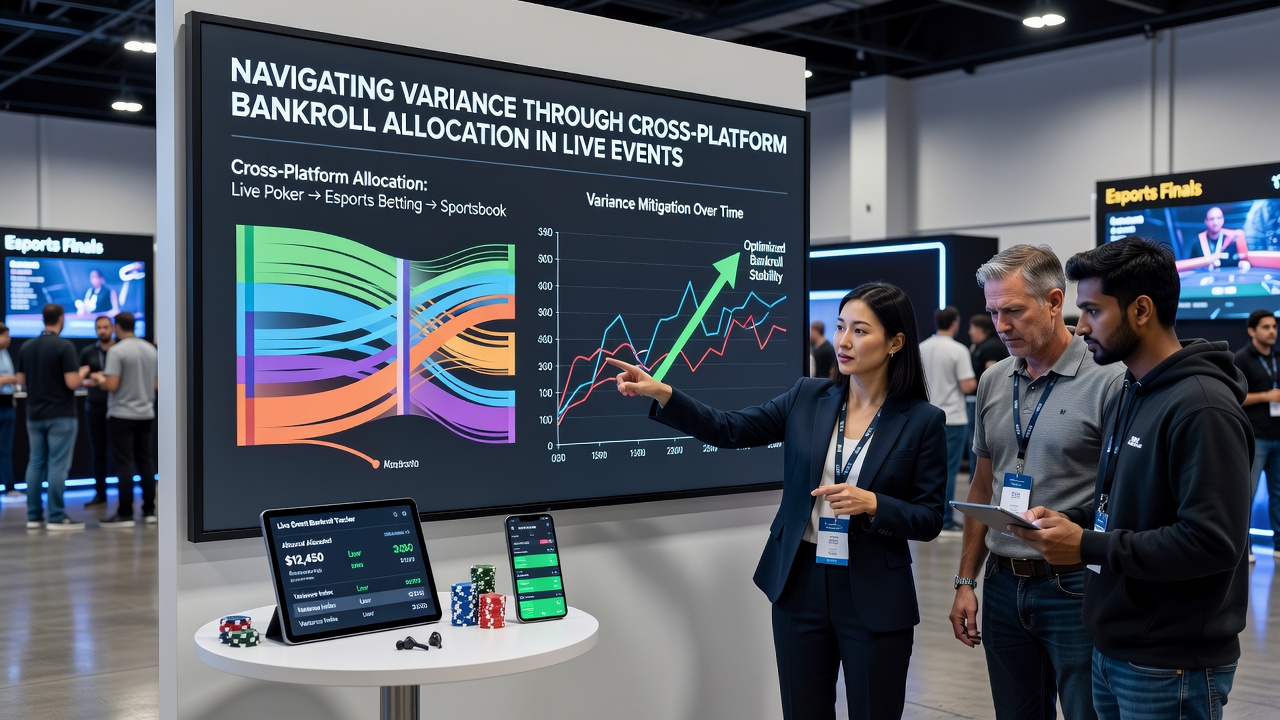
Take the case of multi-day festivals where experts observed players reallocating mid-event after tracking hourly variance rates. Funds moved from high-swing live tables to more stable digital terminals helped preserve overall positions without interrupting play flow. Australian research centers have documented similar patterns in regional events, noting that cross-platform visibility tools assist in real-time decision making.
Tools and Tracking Systems
Digital spreadsheets and dedicated applications facilitate precise tracking of allocations and outcomes across platforms. These systems record transfers, session results, and variance indicators in unified formats that update automatically. Industry organizations report increased adoption of such tools as event complexity grows, particularly when participants manage accounts tied to multiple operators.
Integration with venue-specific apps allows instant visibility into available balances, reducing delays during live sessions. Data indicates that consistent logging of platform-specific metrics supports better future allocations by highlighting patterns unique to each environment. Participants who combine manual reviews with automated alerts maintain tighter control over distribution shifts.
Challenges and Adjustments
Regulatory differences between jurisdictions create occasional barriers to seamless fund movement, requiring advance verification of transfer limits and timelines. Observers note that live events in June 2026 may introduce updated compliance checks that affect allocation speed. Those who prepare contingency segments in advance navigate these hurdles more efficiently.
Technical connectivity issues at venues represent another variable, prompting some to maintain offline reserves accessible through alternative channels. Research indicates that diversified platform access mitigates single-point disruptions while preserving overall variance management goals.
Conclusion
Cross-platform bankroll allocation provides a structured response to variance encountered in live events by segmenting resources according to platform characteristics and historical data. Reports from multiple regulatory and academic sources confirm that systematic distribution supports sustained participation across varied conditions. As events evolve in 2026, these methods continue to draw from established probability frameworks and real-time tracking capabilities.