Ambient Noise Effects on Blackjack Strategy Adherence: Research Findings
Written by Leon Schulz · Aug 8, 2026
Ambient Noise Effects on Blackjack Strategy Adherence: Research Findings
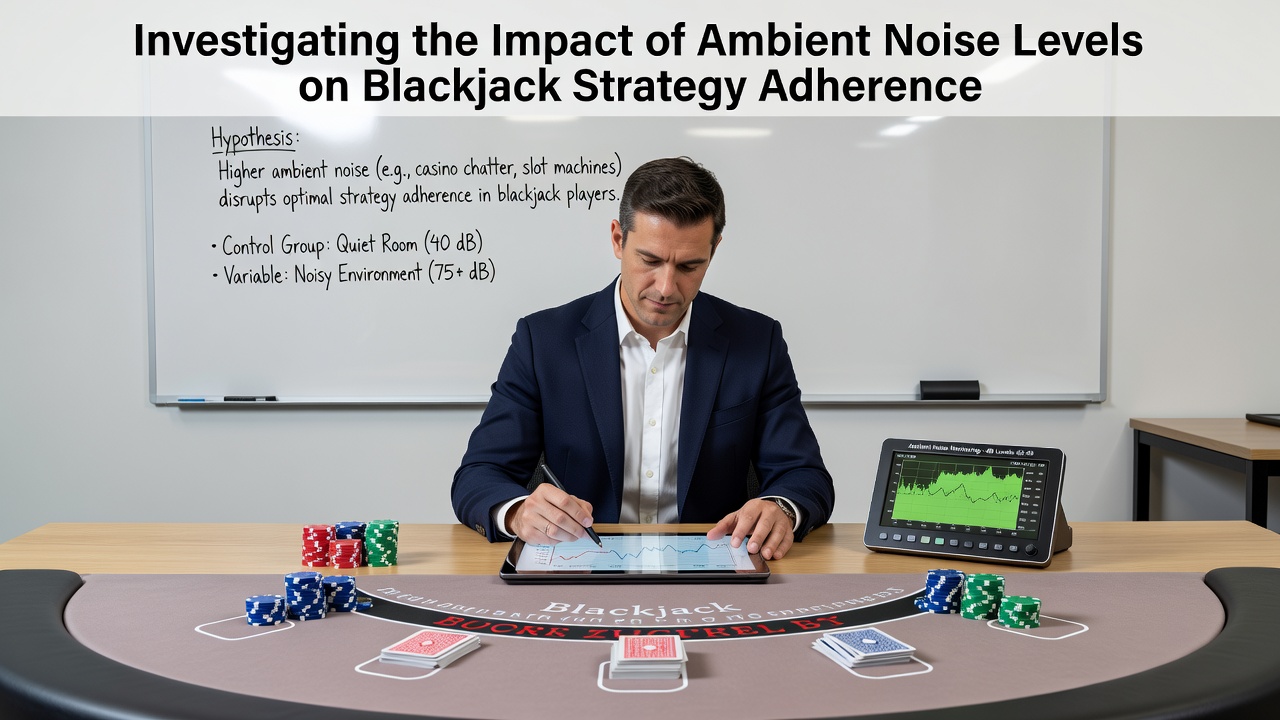
Research into casino environments shows that ambient noise levels range from 70 to 90 decibels during peak hours, and data from multiple studies connects these conditions to variations in player decision accuracy at blackjack tables. Observers note that soundscapes in gaming venues include slot machine chimes, crowd conversations, and background music, all of which combine to create consistent auditory pressure on participants who track cards or apply basic strategy charts.
Measurement Approaches in Recent Investigations
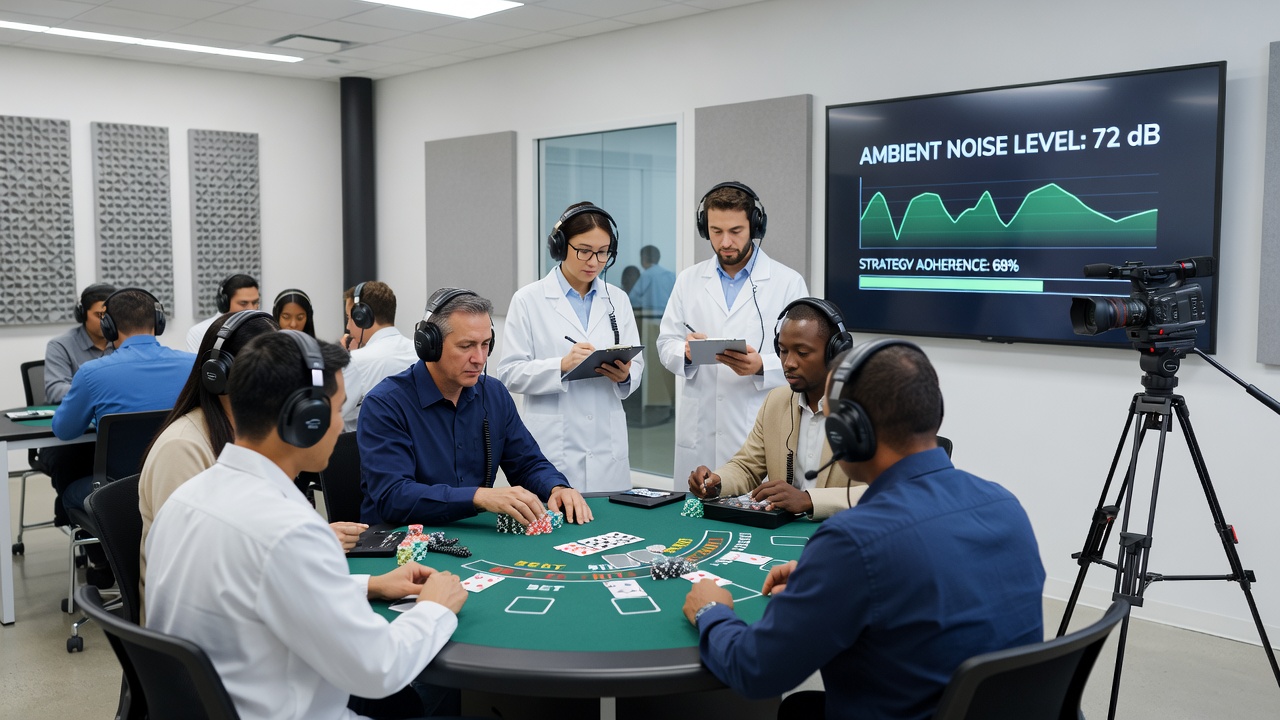
Teams at university laboratories and industry research centers have deployed portable decibel meters alongside video recordings of gameplay sessions since early 2025, and results indicate that noise spikes above 85 decibels coincide with increased deviations from optimal plays. Data collected across venues in Nevada and Queensland reveals that players at tables nearest high-activity slot banks encounter 12 to 18 percent more errors in splitting and doubling decisions compared with quieter side rooms, while researchers adjust for variables such as time of day and table minimums.
One study released in August 2026 by a North American gaming research group tracked 240 sessions and found that adherence rates dropped from 94 percent in controlled quiet settings to 81 percent when ambient levels matched typical casino floors. Equipment included wrist-mounted sensors that logged heart rate alongside decision timestamps, allowing analysts to cross-reference physiological responses with audio logs captured at one-second intervals.
Psychological Mechanisms at Play
Cognitive load theory explains part of the observed pattern, as continuous noise competes for attentional resources that players normally allocate to counting systems or deviation charts. Experiments conducted in controlled sound booths demonstrate that participants exposed to layered audio tracks matching casino environments commit more frequent errors on soft 17 and 18 hands, whereas those in baseline silence maintain higher consistency across repeated trials. EEG readings from a Canadian university project further illustrate heightened theta wave activity during noisy conditions, suggesting elevated mental effort that does not always translate into improved accuracy.
Comparative Data Across Jurisdictions
Figures compiled by Australian gaming authorities and matched against US state reports highlight similar trends, although absolute noise thresholds differ by regulatory standards for venue design. In one cross-regional comparison, venues that introduced acoustic panels and zoned quiet areas recorded 7 percent higher strategy compliance scores during evening shifts, and operators in those locations reported stable player retention metrics through the first half of 2026. These outcomes align with earlier findings from European psychology departments that examined decision fatigue under varying auditory loads.
Additional analysis from a 2025 industry report prepared for the Nevada Gaming Control Board examined 1,150 hours of table footage and identified correlations between specific sound frequencies and hesitation patterns before insurance bets. The report notes that frequencies between 2 and 4 kHz, common in electronic gaming device alerts, produced the strongest association with delayed or altered strategy choices, while lower-frequency ambient rumble showed weaker links.
Practical Adjustments Observed in the Field
Some casino operators have responded by installing directional speakers and adjustable volume zones, and early feedback from floor supervisors indicates modest improvements in observed play accuracy. Training programs for dealers now incorporate modules on recognizing signs of auditory distraction, although these initiatives remain limited to a handful of properties in major markets. Data from those sites shows that players who request table transfers to lower-noise sections maintain closer adherence to basic strategy guidelines over extended sessions.
Software tools that simulate casino sound environments have entered use at several training academies, and participants who practice under simulated 82-decibel conditions demonstrate faster adaptation when later tested in actual venues. Longitudinal tracking of these trainees through August 2026 reveals sustained gains in deviation accuracy during live play, suggesting that repeated exposure combined with deliberate strategy drills can partially offset ambient interference.
Conclusion
Current evidence establishes measurable connections between ambient noise levels and blackjack strategy adherence across multiple research settings, and ongoing data collection continues to refine understanding of frequency-specific effects. Operators and players alike benefit from awareness of these environmental factors when designing spaces or selecting tables, while further studies scheduled for late 2026 aim to isolate additional variables such as lighting and air quality that may interact with sound in complex ways.