Acoustics in Action: How Casino Venues Affect Blackjack Player Concentration During Busy Periods
Written by Felix Foster · May 16, 2026
Acoustics in Action: How Casino Venues Affect Blackjack Player Concentration During Busy Periods
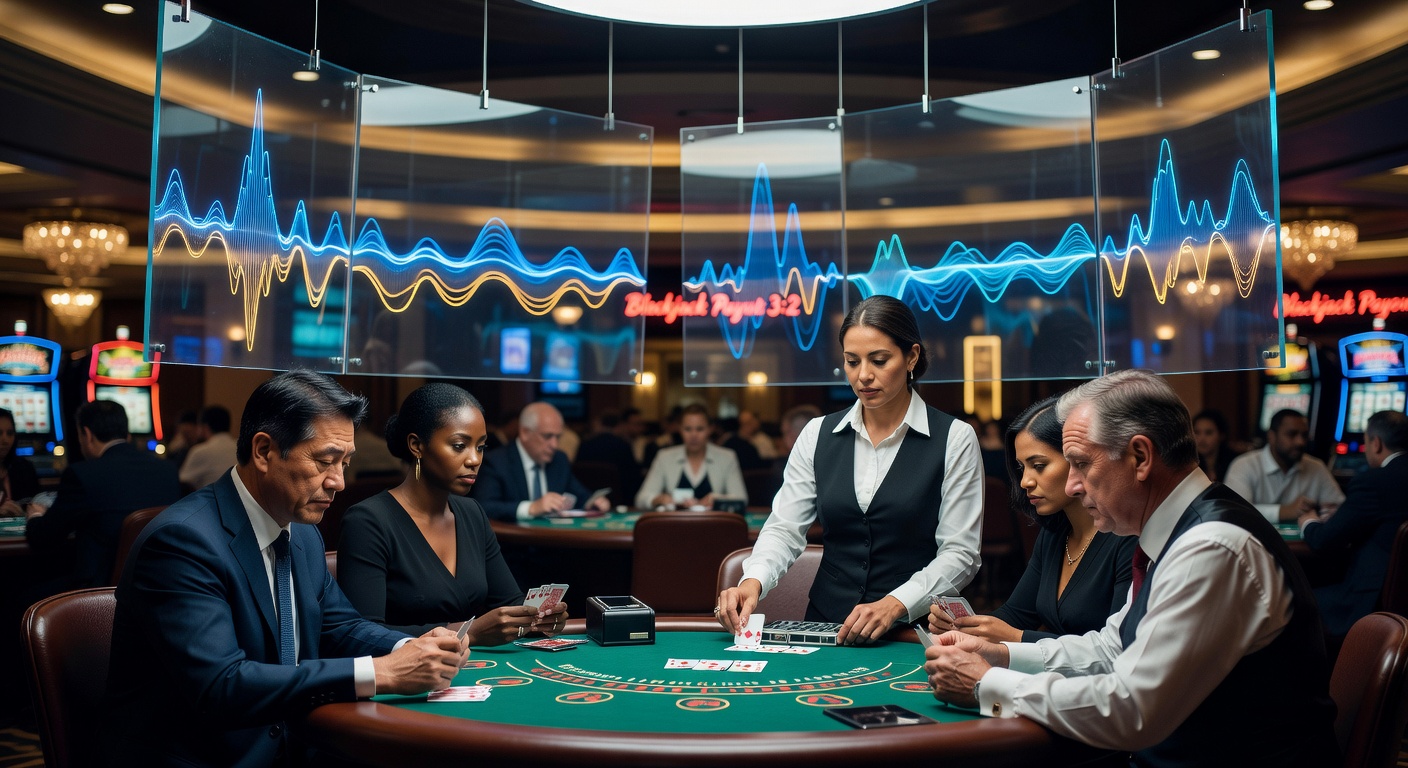
Casino floors generate layered sound environments where music mixes with player chatter, dealer announcements, and electronic game tones, and these elements combine to create acoustic conditions that directly intersect with decision processes at blackjack tables during peak hours. Observers note that sound pressure levels often reach 75 to 85 decibels in high-volume sections, a range that studies link to increased cognitive load for players tracking cards and managing bets. Data from major gaming markets indicate that such conditions persist across extended shifts, particularly on weekends and holiday periods when table occupancy climbs above 80 percent.
Core Elements of Casino Soundscapes
Sound in blackjack pits arises from multiple sources that overlap without clear separation, and researchers have mapped how each component travels through open floor plans typical of large resorts. Background music systems deliver steady beats at volumes calibrated to encourage longer stays, while nearby slot machines emit intermittent chimes and reels spins that punctuate the air at irregular intervals. Player conversations add variable frequencies as groups react to wins or losses, and dealer calls for additional cards or insurance bets cut through at higher pitches. Acoustic modeling from venues in Nevada and New Jersey shows that hard surfaces such as polished tables, marble floors, and glass partitions reflect these sounds rather than absorb them, which extends reverberation times and raises overall noise floors during crowded sessions.
High-volume rounds intensify these patterns because more tables operate simultaneously and foot traffic increases around the pit area. Engineers who have measured similar environments report that sound energy concentrates in the 500 to 2000 hertz band, a spectrum that overlaps with human speech frequencies and therefore competes directly with the verbal exchanges between players and dealers. This competition forces the auditory system to filter relevant signals from background interference, a task that consumes attentional resources otherwise available for strategy application.
Cognitive Demands on Blackjack Players
Blackjack requires continuous monitoring of card values, running counts where permitted, and bet sizing adjustments, all while adhering to time constraints imposed by table pace. Acoustic interference adds an extra processing layer because players must separate dealer instructions from surrounding noise, and laboratory simulations conducted at university research centers have quantified how reaction times lengthen by 120 to 180 milliseconds under comparable sound conditions. Those delays accumulate across dozens of hands per hour, altering the rhythm of play and occasionally prompting deviations from optimal strategy.
Attention research further indicates that sustained exposure to fluctuating sound levels elevates cortisol markers associated with stress, which in turn narrows the breadth of visual scanning across the table layout. Players may miss subtle dealer tells or misread card positions when peripheral awareness contracts under acoustic pressure. Facilities in Atlantic City have recorded that error rates on insurance decisions rise measurably after the first 45 minutes of peak-period play, a timeframe that aligns with documented increases in ambient noise accumulation.
Venue Design Responses and Measured Outcomes
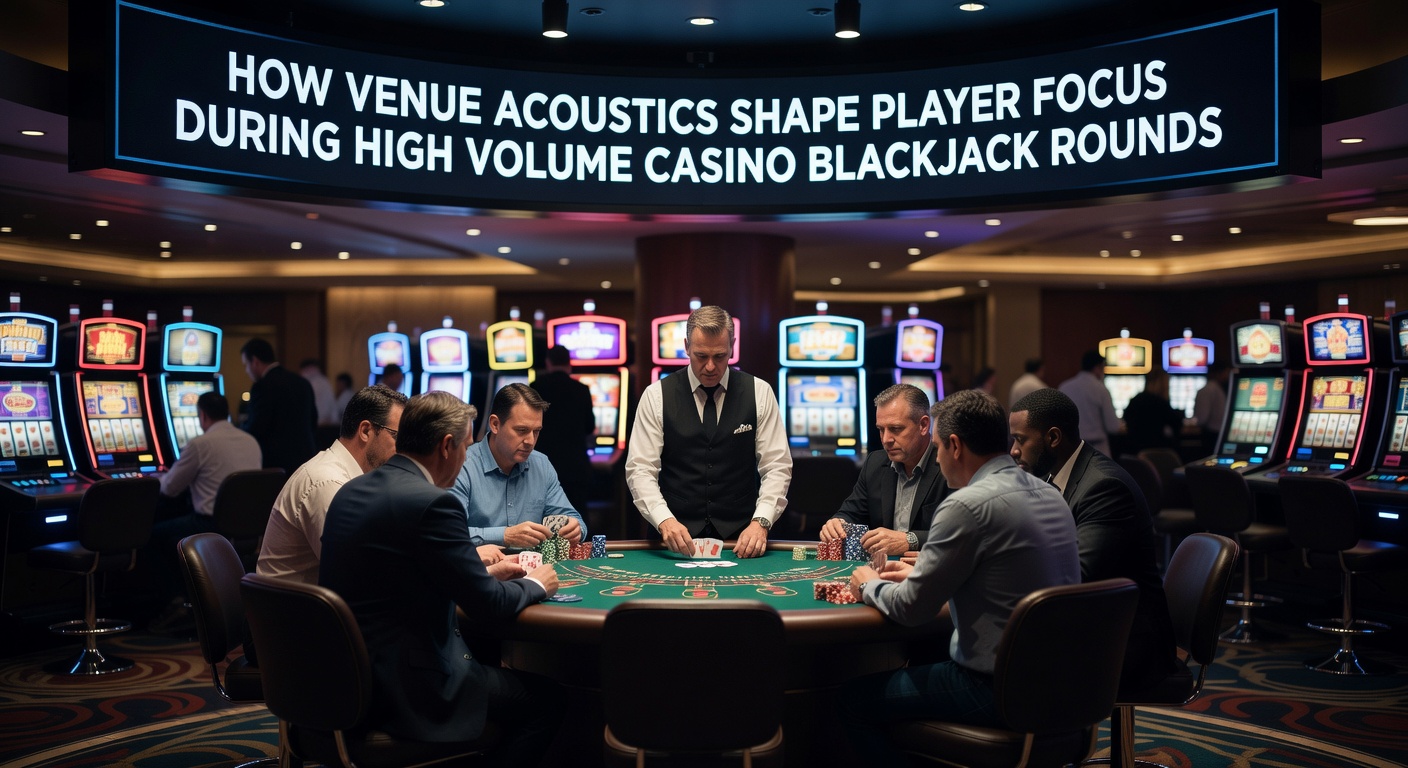
Property operators have introduced targeted acoustic modifications to mitigate these effects, and data collected through May 2026 across several North American properties reveal measurable differences in player retention at modified versus unmodified tables. Installations of micro-perforated ceiling panels and directional speaker arrays reduce reflected energy in speech bands, lowering effective noise by 4 to 6 decibels without altering the energetic atmosphere that many guests expect. Follow-up observations show that tables equipped with these features maintain higher average hands per hour because players spend less time requesting repetitions or pausing to reorient.
Training programs for dealers now incorporate techniques for projecting clearly within noisy environments, and performance metrics from resorts in Mississippi indicate that standardized vocal delivery reduces repeat requests by nearly 30 percent. These adjustments complement physical design changes and create more stable auditory channels for critical game communications. Industry associations such as the American Gaming Association have compiled comparative datasets that support continued refinement of these interventions across multiple jurisdictions.
Player Adaptation Patterns Observed in the Field
Regular participants develop individualized responses to acoustic conditions, and field studies conducted at Canadian and Australian properties document several recurring strategies. Some players arrive early to claim seats farthest from speaker clusters or high-traffic walkways, thereby securing marginally quieter sight lines. Others employ subtle positioning shifts, angling their bodies to improve direct sound paths from the dealer while reducing exposure to side-angle reflections. Wearable devices that provide real-time noise monitoring have appeared in limited pilot programs, allowing users to track personal exposure thresholds and schedule short breaks when levels exceed self-selected limits.
Team-based approaches also surface during high-volume periods, where one participant focuses on auditory input while another tracks visual card flow, although such coordination remains constrained by house rules on communication. Longitudinal records from loyalty programs suggest that players who consistently select quieter table positions report fewer instances of second-guessing strategic choices, a pattern that aligns with reduced cognitive fatigue documented in controlled acoustic trials.
Conclusion
Acoustic conditions at blackjack tables during high-volume rounds emerge from the interaction of architectural choices, operational practices, and player density, and these conditions measurably influence concentration and decision accuracy. Data gathered through 2026 demonstrate that targeted design interventions and behavioral adaptations can narrow performance gaps without altering core game mechanics. Continued measurement across diverse venues will clarify which combinations of sound management techniques deliver the most consistent benefits for sustained player focus.